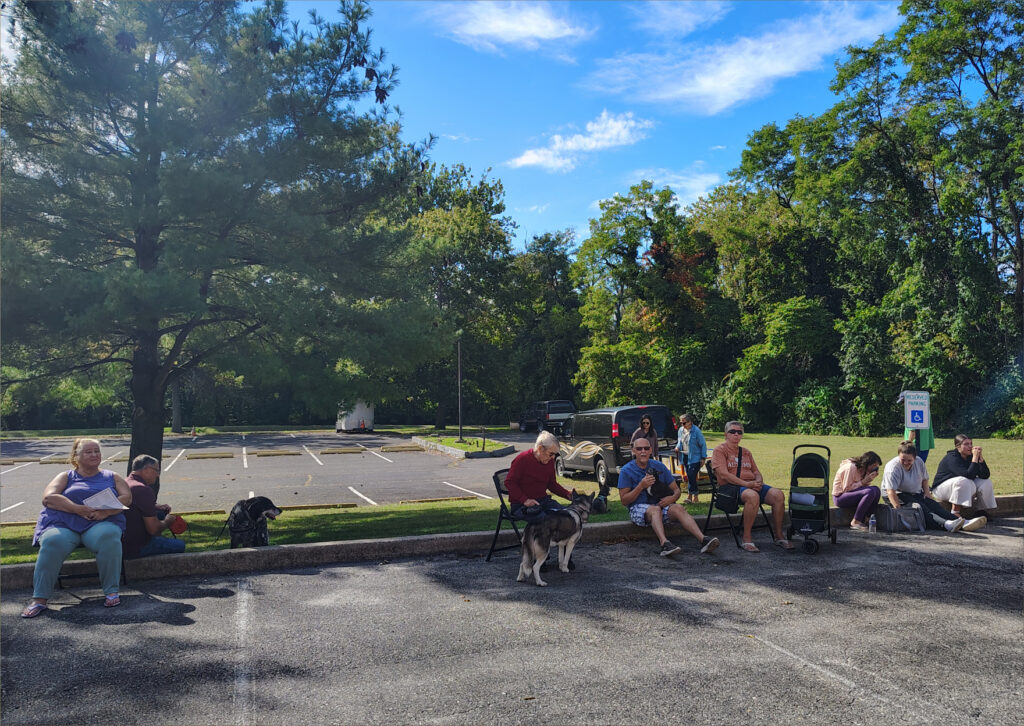

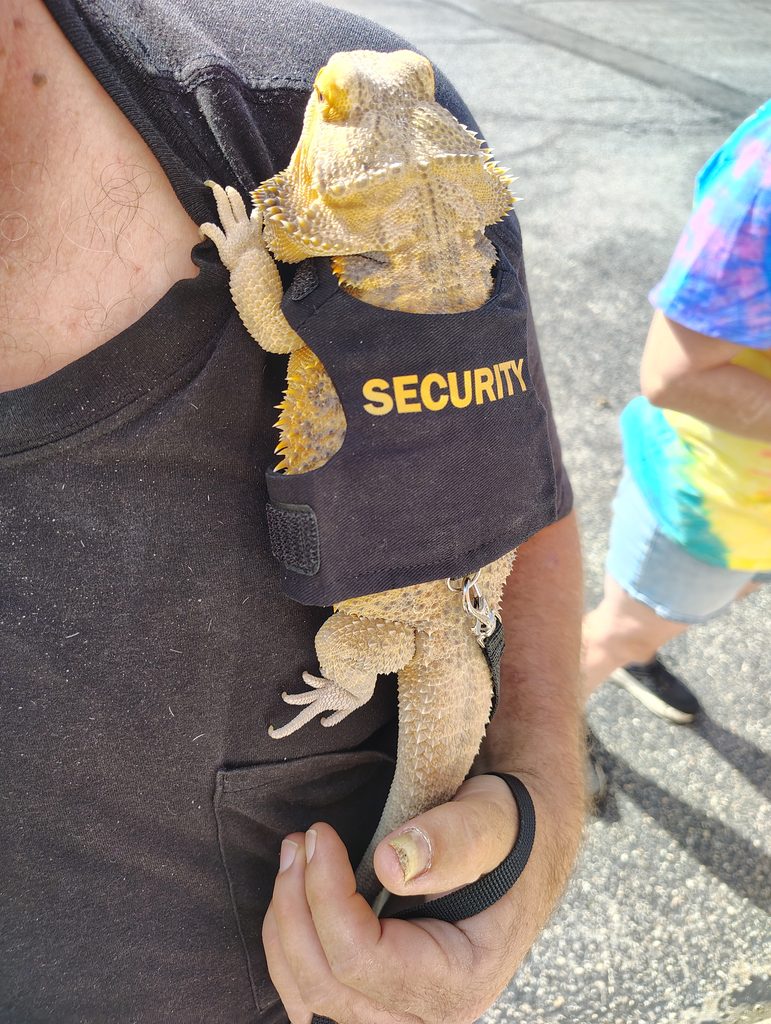
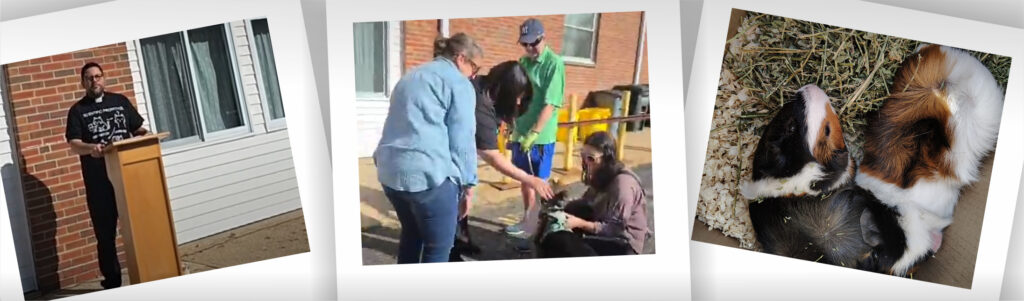
Every year around the feast of St. Francis of Assisi, many churches gather for one of the most joyful, and probably least predictable, traditions of the year: the Blessing of the Animals. Usually, the dogs arrive pulling on their leashes, the cats arrive clearly wishing they were somewhere else, the cows may very well finish whatever grass is left beside the parking lot, and I am sure the raccoons are already making plans for coffee hour.
This tradition is usually associated with St. Francis because of the tenderness with which he understood the natural world. He spoke of the sun, the moon, water, the earth, and other creatures as members of one great family before God. His spirituality echoes something Scripture affirms from its opening pages: we live within a creation that belongs to God, and God looks upon that creation and calls it good.
Those of us who share our homes with animals probably understand at least a little of what Francis was trying to express. They become woven into the ordinary rhythms of our lives. They know when we wake up, recognize the sound of us coming home, interrupt whatever we thought was important at the moment, and sometimes remain beside us during experiences they cannot possibly understand.

On our end we feed them, protect them, take them to the veterinarian, clean up after them, complain about them, laugh because of them, and somewhere along the way discover that this relationship has changed us too.
However, the Christian imagination about animals and creation does not end with St. Francis. John Wesley also wrestled with the place of other creatures within the story of salvation. In his sermon “The General Deliverance,” Wesley reflects on the words of Paul in Romans 8, where the apostle describes the whole creation as groaning and waiting for liberation. Wesley took that image seriously enough to ask what redemption might mean not only for human beings, but also for the creatures who share this world with us.
For the founder of the Methodist movement, the brokenness introduced by sin affected more than the relationship between humanity and God. Something had also happened within creation itself and within the relationship between human beings and other creatures. Violence, suffering, fear, and domination had entered relationships that God had intended for goodness. Because Wesley understood salvation as God’s work of restoration, he could imagine that God’s redeeming grace would ultimately reach farther than the human soul. Creation itself waits for renewal.
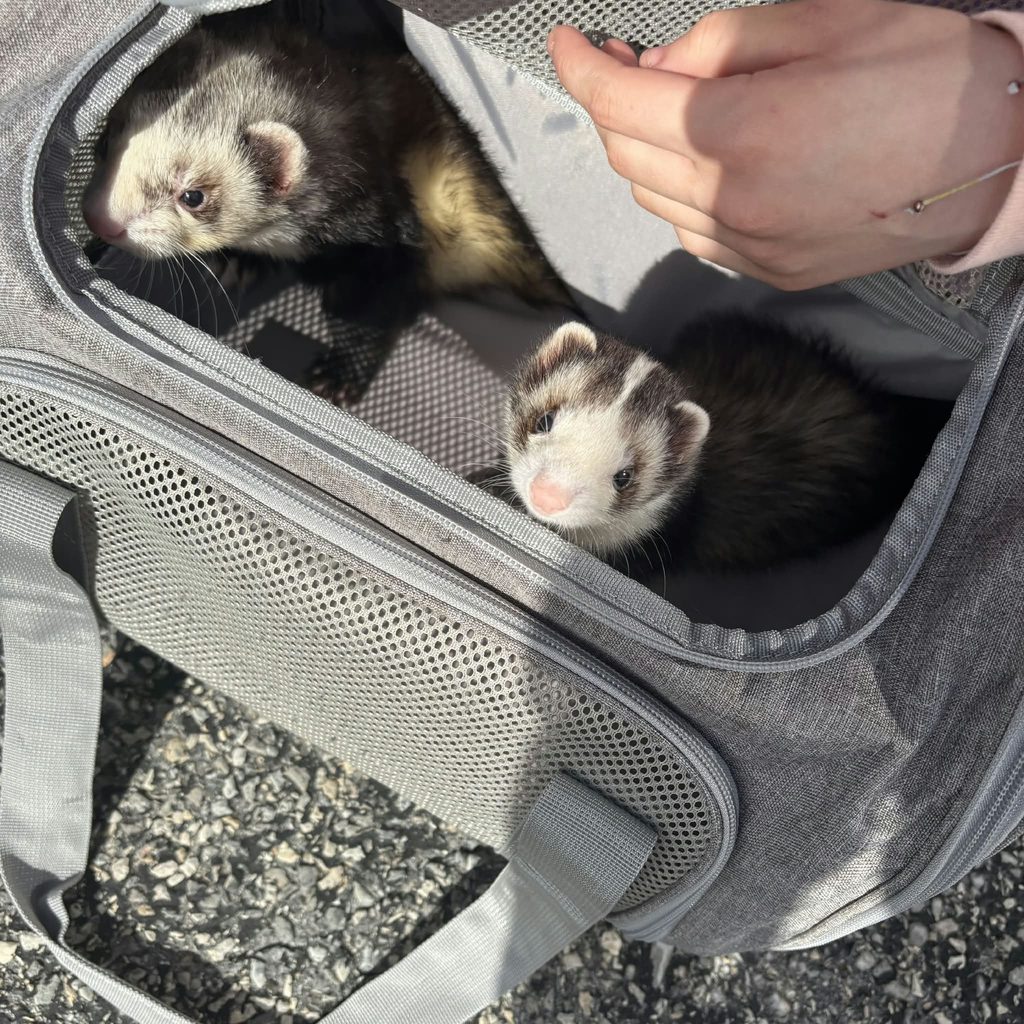
If we pay attention, we can discover something deeply hopeful in that Wesleyan vision. Salvation goes beyond human beings leaving a damaged world behind someday, so God is reconciling creation, healing what has been wounded and restoring relationships that have been distorted. Therefore, our reconciliation with God begins changing how we live with one another and how we inhabit the world around us. We remain creatures among creatures, dependent upon the same earth, breathing the same air, and sharing a life that none of us created for ourselves.
That also means that our care for animals is connected with something larger than our affection for our pets. Loving the dog sleeping on our couch or the cat occupying the exact chair we were about to use can teach us tenderness, but Christian care for creation also asks us to consider creatures we will never name or hold.

It asks what kind of neighbors human beings have become within God’s creation and whether our lives contribute to its healing or deepen its wounds.
The Blessing of the Animals gives us a simple way to remember all of this. When we place a hand on an animal and offer a prayer, we are giving thanks for a particular life that has become connected with our own. At the same time, we are recognizing that this creature belongs first to God and that our responsibility is not possession alone, but care. We ask God to bless these animals, and perhaps the prayer also turns toward us, asking that we become more compassionate caretakers of a creation that is still groaning and still waiting for reconciliation.
Prayer for all creatures
One: For animals who share our homes and become part of our families,
All: Creator God, we give you thanks
One: For animals who work alongside human beings and serve our communities,
All: Creator God, we give you thanks
One: For wildlife, for creatures of the forests, fields, skies, rivers, and oceans,
All: Creator God, we give you thanks
One: For animals who are neglected, abandoned, endangered, or mistreated,
All: Creator God, teach us compassion
One: For veterinarians, shelter workers, rescue organizations, caregivers, and all who protect animal life,
All: Creator God, strengthen their work
One: For beloved animals who once shared our lives and whose absence we still feel,
All: Creator God, we remember them with gratitude
One: For the whole creation and for our responsibility to care for the earth we share,
All: Creator God, make us faithful caretakers of your world. Amen
Warmly,
Rev. David Gaitan