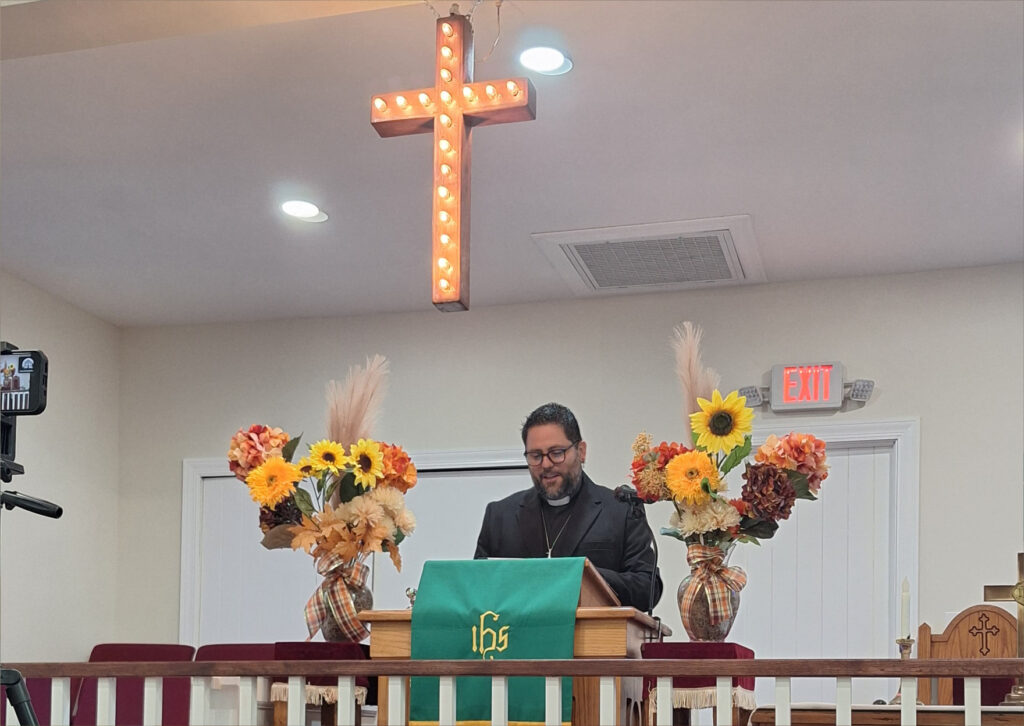

I have been thinking lately about the future of the Church. None of us knows exactly what Christianity will look like twenty or fifty years from now, but I find myself increasingly convinced of one possibility, the future of the Church may be ecumenical.
And by ecumenical, I do not necessarily mean a future in which every denomination disappears and Christians become part of one enormous institution. In fact, the ecumenical movement has increasingly moved away from that understanding of unity. For instance, the United Methodist Council of Bishops speaks about a visible unity in which Christian traditions can preserve the gifts they have received while recognizing one another as members of the same Body of Christ. Christian unity, our church teaches, is not simply a nice possibility but belongs to the calling of the Church itself.
What if this is part of what Jesus was praying for when he prayed that his disciples “may all be one” in John 17? Unity does not require uniformity, that is why we can carry different histories, worship in different traditions, and organize our churches differently while still discovering that Christ has already made us neighbors, sisters, brothers, and partners in the Gospel. Our theology may divide us, but our mission unites us.
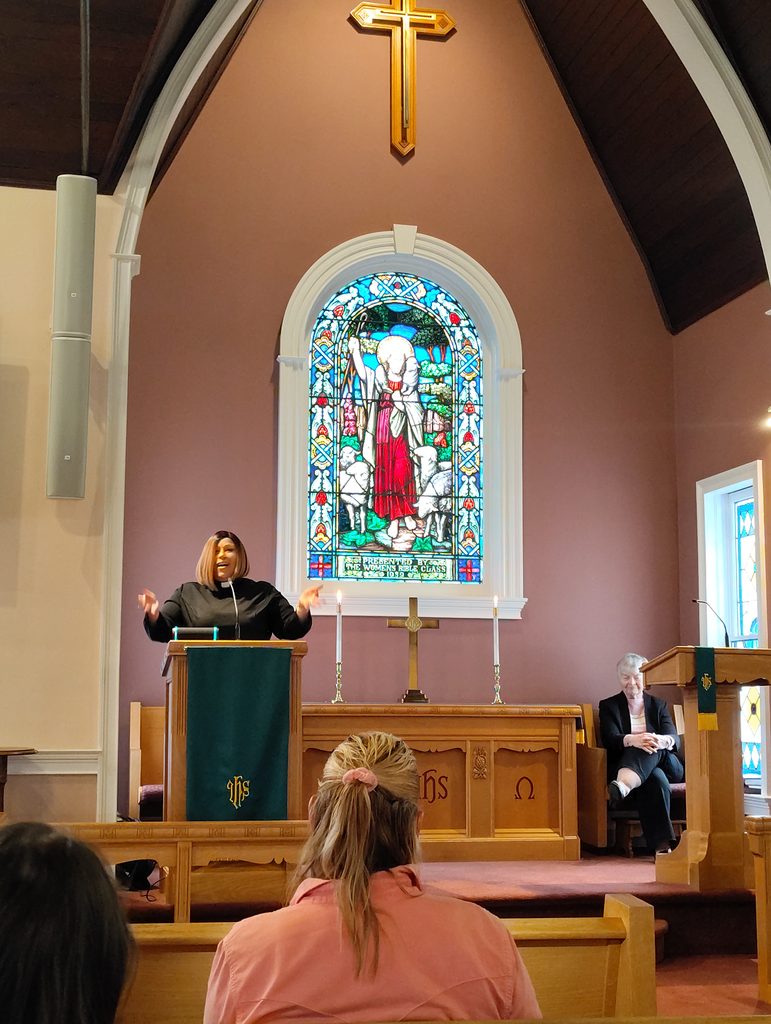
Last Sunday, that future felt a little closer to us. We had the blessing of sharing a pulpit exchange with Grace AME Church. Rev. Racquel A. Santiago preached among our United Methodist congregations, while I had the joy of preaching and worshiping with our sisters and brothers at Grace. We exchanged pulpits, but what happened was larger than a change of preachers because we really worshiped as we heard the Gospel through voices from another part of the Methodist family.
This is important because there is a particularly meaningful history behind a United Methodist and an African Methodist Episcopal congregation walking together.
The AME Church grew from the same early Methodist movement from which our own United Methodist tradition eventually emerged.
Richard Allen, who had been born enslaved and later purchased his freedom, became a Methodist preacher in Philadelphia. At St. George’s Methodist Episcopal Church, Allen and other Black Christians encountered racial discrimination and segregated seating, that is why in 1787, Black worshipers from that church walked out. After, Allen established Mother Bethel and, in 1816, helped organize the African Methodist Episcopal Church, becoming its first bishop.
That history matters because the separation then was not simply the product of Christians having different opinions about church structure or theology. It actually was racism causing harm among the Methodist family. In that context, we should consider that ecumenism, instead of asking us to forget the past, invites us to tell the truth about it and then ask what the Holy Spirit might make possible when descendants of those divided communities choose to walk toward one another. In fact, The United Methodist Church and the African Methodist Episcopal Church today share a formal relationship of full communion.
We recognize one another as churches within the Body of Christ and are committed to partnership in Christian mission. That relationship emerged in part through confession and repentance for the racism within Methodism that contributed to the formation of historically Black Methodist denominations.
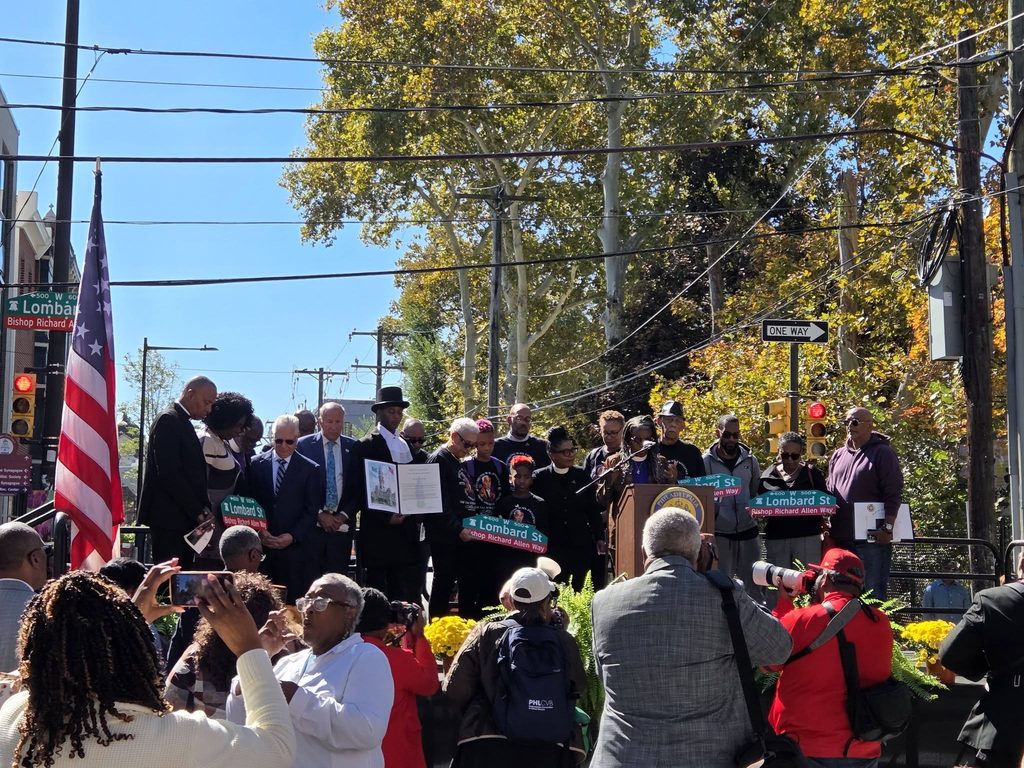
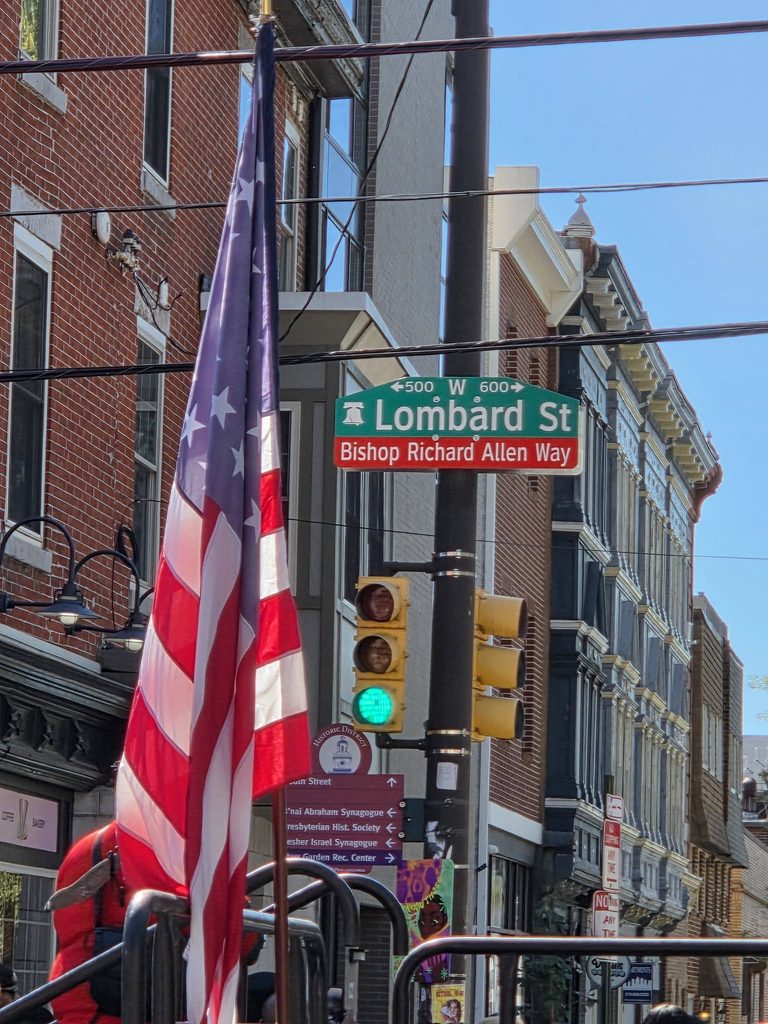
And remarkably, our pulpit exchange happened during a week when that shared history was being remembered only a few miles away. On October 7, the City of Philadelphia honored Bishop Richard Allen by naming a section of Lombard Street “Bishop Richard Allen Way.” The celebration began at Historic St. George’s United Methodist Church, the very place connected to the painful history of Allen and Black Methodist worshipers, and participants then walked together to Mother Bethel AME Church. United Methodist Bishop Cynthia Moore Koikoi and AME Bishop Samuel Lawrence Green Sr. participated, and Bishop Moore Koikoi offered the closing prayer and benediction.
While generations ago, African American Methodists walked away because the church had refused to treat them as equals, last week, Methodists walked that history together, from St. George’s to Mother Bethel, remembering the wound while witnessing to another possibility.
And then, a few days later, in our own little corner of New Jersey, United Methodists and African Methodists exchanged pulpits.
Our Sunday service will never appear in the history books beside Bishop Richard Allen, and it does not need to. However, we recognize that this is how movements of the Spirit often become visible: one relationship, one shared pulpit, one common prayer, one act of Christian fellowship at a time. We are part of that movement!
Perhaps the future of the Church will be in discovering how much ministry becomes possible when we open our doors to one another. Maybe our communities need to see Christians worship together, serve together, seek justice together, and love one another across the divisions that history handed to us. The future of the Church may indeed be ecumenical.
And if last Sunday was even a small glimpse of that future, I am grateful that we are already walking toward it.
Warmly,
Rev. David Gaitan